

Sorteeri:

Fodder Beet Brigadier 0,1 Kg
In stock

Fodder Beet Brigadier 1 Kg
In stock

Fodder Beet Jaune D'Eckendorf 0,1 Kg
In stock
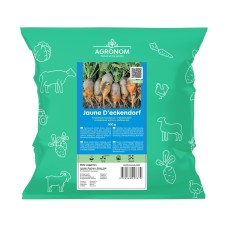
Fodder Beet Jaune D'Eckendorf 0,3 Kg
In stock
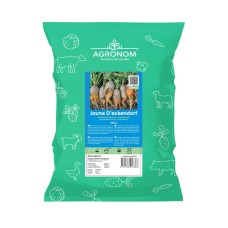
Fodder Beet Jaune D'Eckendorf 0,5 Kg
In stock
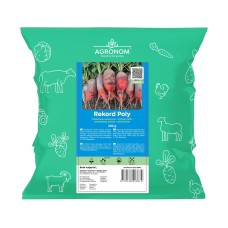
Fodder Beet Rekord Poly 0,3 Kg
In stock

Fodder Beet Rekord Poly 0,5 Kg
In stock

Fodder Beet Rekord Poly 1 Kg
In stock
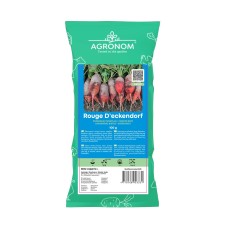
Fodder Beet Rouge D'Eckendorf 0,1 Kg
In stock

Fodder Beet Rouge D'Eckendorf 0,3 Kg
In stock
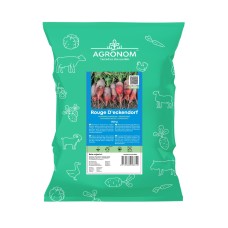
Fodder Beet Rouge D'Eckendorf 0,5 Kg
In stock

Fodder Beet Ursus Poly 0,3 Kg
In stock

Fodder Beet Ursus Poly 0,5 Kg
In stock

Fodder Beet Ursus Poly 1 Kg
In stock

Fodder Beet Zentaur Poly 0,1 Kg
In stock

Fodder Beet Zentaur Poly 0,3 Kg
In stock

Fodder Beet Zentaur Poly 0,5 Kg
In stock

Fodder Beet Zentaur Poly 1 Kg
In stock




Why Choose Fodder Root Crops?
Fodder root crops stand out for their robust growth and nutrient-rich roots. They grow partly above the soil surface, which simplifies harvesting and reduces losses. These crops are notable for their high dry matter content and good storability through cold months, making them a valuable investment for animal nutrition.
Our Seed Selection
- Fodder Beet Brigadier: Large cylindrical roots with juicy white pulp and yellowish-orange skin, adapted for easy harvest and reliable winter storage.
- Fodder Beet Rekord Poly: Dark red roots with excellent yield and dry matter, suited to non-acidic soils and long-term storage.
- Fodder Beet Jaune d'Eckendorf: Yellowish-orange roots with greenish tips, prized for stable yields and nutritional value.
- Fodder Beet Ursus Poly: Cylindrical roots with creamy pulp, offering consistent production and good winter durability.
- Fodder Beet Zentaur Poly: Oval white roots ideal for mechanized harvests, with high yield and extended storage life.
Tips for Growing Fodder Root Crops
- Timing: Sow seeds in early spring when soil temperatures rise to promote quick germination and strong root development.
- Soil Preparation: Use well-drained, nutrient-rich soil with neutral to slightly acidic pH for best growth.
- Seeding Rate: Follow recommended seed rates carefully to avoid overcrowding and ensure uniform root size.
- Harvest: Harvest when roots are fully grown, usually in late summer to early autumn, before the first heavy frosts.
- Storage: Store roots in cool, dry conditions to maintain feed quality through winter months.
Expand